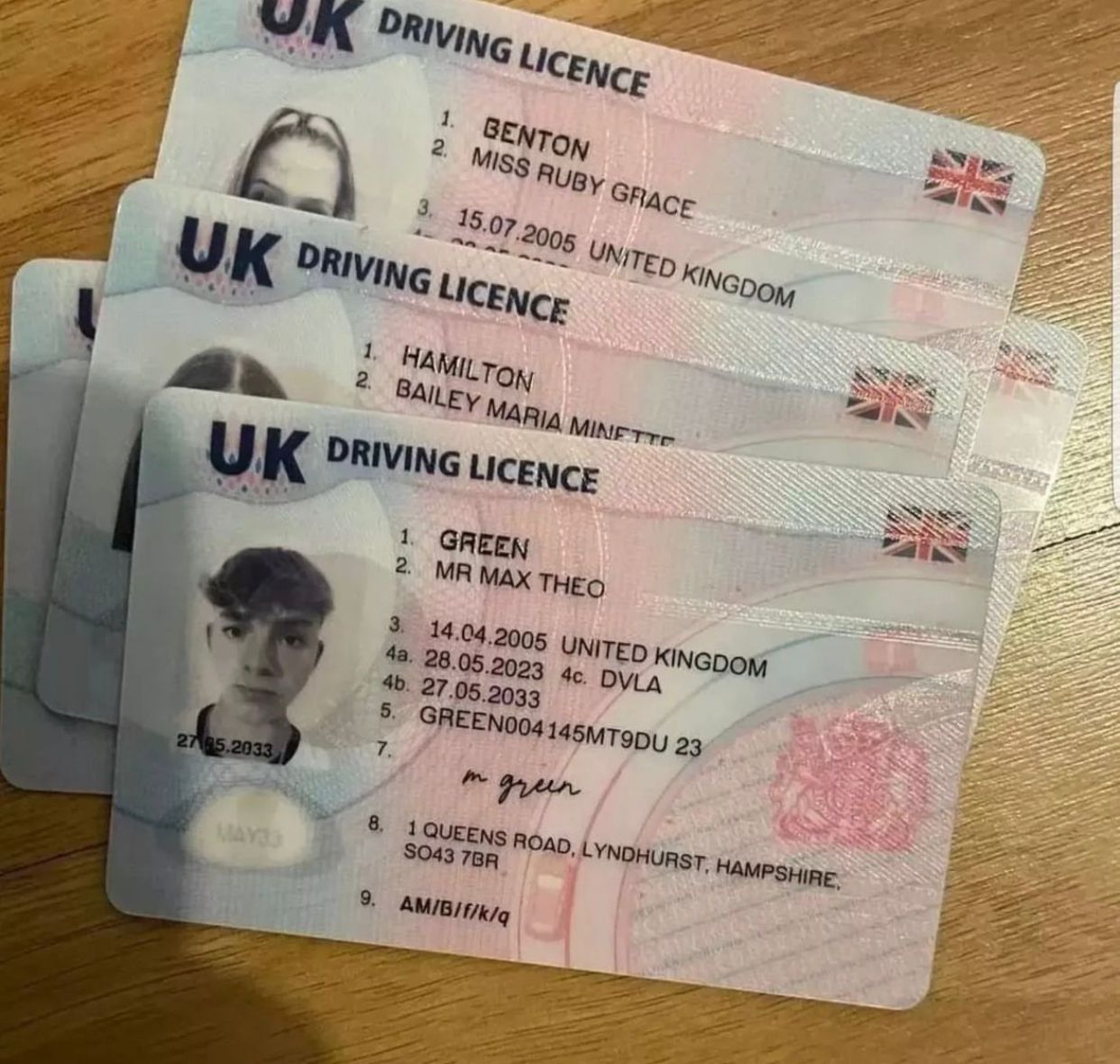
Understanding the UK Driving License: A Comprehensive Guide
The UK driving license is an essential file that gives people the legal right to operate motor vehicles on public roads. Whether you're a brand-new driver, a foreign national planning to drive in the UK, or a long-time resident considering a license upgrade, it's important to understand the requirements and procedures included. This article aims to provide an extensive introduction of the UK driving license system, consisting of kinds of licenses, the application procedure, and crucial guidelines and regulations.
Types of Driving Licenses in the UK
There are several classifications of driving licenses in the UK, each connecting to various kinds of vehicles. The following table outlines the various categories and what they permit:
| License Category | Car Type | Age Requirement | Description |
|---|---|---|---|
| Category AM | Mopeds | 16+ | Allows the holder to drive mopeds and light quad bikes. |
| Classification A1 | Motorbikes (up to 125cc) | 17+ | For riders of small motorbikes and scooters. |
| Classification A2 | Motorbikes (up to 400cc) | 19+ | For intermediate motorbike riders. |
| Category A | All Motorcycles | 24 or 21+ (depending on experience) | Full bike license. |
| Category B | Automobiles | 17+ | The basic license for driving cars and trucks, including light vans. |
| Classification C | Large Goods Vehicles | 18+ | For driving cars over 3.5 tonnes. |
| Classification D | Buses | 24+ | For driving passenger-carrying vehicles. |
| Category E | Trailers | 17+ | For driving vehicles with trailers (might require additional tests). |
How to Apply for a UK Driving License
Getting a UK driving license involves numerous steps, which can be broken down into the following phases:
- Apply for a Provisional License: Before discovering to drive, you must look for a provisional license, which enables you to practice driving under guidance. Individuals can use online through the official DVLA website or by means of paper types offered at Post Offices.
- Prepare for and Take the Theory Test: The theory test makes up 2 parts: a multiple-choice section and a threat perception section. Prospects need to pass both parts to proceed to the useful driving test.
- Lessons and Practice: It's recommended to take lessons with an authorized driving trainer to ensure you are properly prepared for the dry run. In the UK, the typical student requires roughly 45 hours of instructor-led education.
- Reserve and Pass the Practical Driving Test: Once you feel positive in your driving abilities, you can book your dry run. The driving test examines your ability to run a vehicle securely and effectively.
- Get Your Full License: After passing the practical test, the examiner will release a pass certificate, which allows you to request your full driving license. The DVLA will send you your new license by post.
Key Considerations When Applying
- Age Requirements: Ensure that you fulfill the minimum age requirement for the kind of automobile you wish to drive.
- Documents Needed: You will need to supply evidence of identity, a passport-sized photo, and your National Insurance number.
- Charges: There are costs associated with each phase of the application process, consisting of the cost of the provisional license, theory test, and useful test.
Essential Rules and Regulations
Driving in the UK comes with duties. Here are some key guidelines that all drivers should follow:
- Seat Belts: It is a legal requirement for drivers and all guests to use seat belts.
- Speed Limits: Familiarize yourself with speed limits; they differ by road type and automobile class (e.g., 30 miles per hour in built-up areas, 60 mph on single carriageways, and 70 mph on motorways).
- Drink Driving: The legal alcohol limitation is 0.08% blood alcohol concentration, but for beginners and professional drivers, it's 0.00%.
- Smart Phone Use: Using a mobile phone while driving is illegal unless it is hands-free. Culprits can face hefty fines and points on their license.
Often Asked Questions (FAQs)
1. Can I drive in the UK with a foreign license?Yes, foreign nationals can drive in the UK on a legitimate foreign driving license for approximately 12 months. After this period, they should get a UK license.
2. The length of time does it take to get a driving license in the UK?The time frame for getting a driving license can differ extensively depending on private preparedness, schedule for tests, and instructor schedules however generally can take around 6 months to a year.
3. Can I take the driving test in my own car?Yes, you can use your own automobile for the practical driving test, offered it fulfills particular security criteria and is insured for driving.
4. What should I do if I lose my driving license?If you've lost your driving license, you need to look for a replacement through the DVLA. This procedure can be completed online to speed up the issuance of a brand-new license.
5. How can I check my driving license status?You can inspect your driving license status, including points and endorsements, by checking out the DVLA website and utilizing your driving license number.
Comprehending the UK driving license system is essential for anybody wanting to drive lawfully in the country. Whether obtaining a provisionary license, taking lessons, or comprehending regulations, being knowledgeable can lead to a much better driving experience. Keep in mind to remain updated on any modifications in driving laws and guarantee you preserve your driving abilities for safety on the roads.
With this guide, potential drivers can navigate the intricacies of getting a UK driving license with confidence and clearness. Drive safely!